

Hydration: Understanding What Your Body Actually Needs
Most people think they have hydration figured out. Drink eight glasses of water a day, maybe more when it is hot outside, and that is the end of it.
The reality is more interesting than that, and understanding it will change the way you think about water, performance, and how your body actually functions.
The Eight Glasses Myth
The “eight by eight” rule — eight ounces, eight times a day — has no meaningful scientific backing. It persists largely because it is easy to remember and not terrible advice for an average person on a mild day doing very little. But if you train regularly, work outdoors, or live somewhere like Florida in June, that baseline tells you almost nothing useful about what you actually need.
Your real fluid requirements depend on body size, training intensity, sweat rate, air temperature, humidity, what you have eaten, and your current state of health.
A 120-pound woman doing a gentle yoga session and a 190-pound man running hill sprints in the afternoon heat are not drawing from the same prescription.
What Dehydration Actually Does
Even mild dehydration, as little as one to two percent of your body weight in fluid loss, is enough to produce measurable effects. Concentration drops. Reaction time slows. Perceived exertion rises, meaning the same effort feels harder than it should. Strength output decreases. Appetite signals can become distorted, which is why many people mistake thirst for hunger.
By the time you feel genuinely thirsty, you are already behind. Thirst is a late signal, not an early one.
This matters during training because if you wait to feel thirsty before you drink, you make every set and every interval harder than they need to be.
Sweat Is Not Just Water
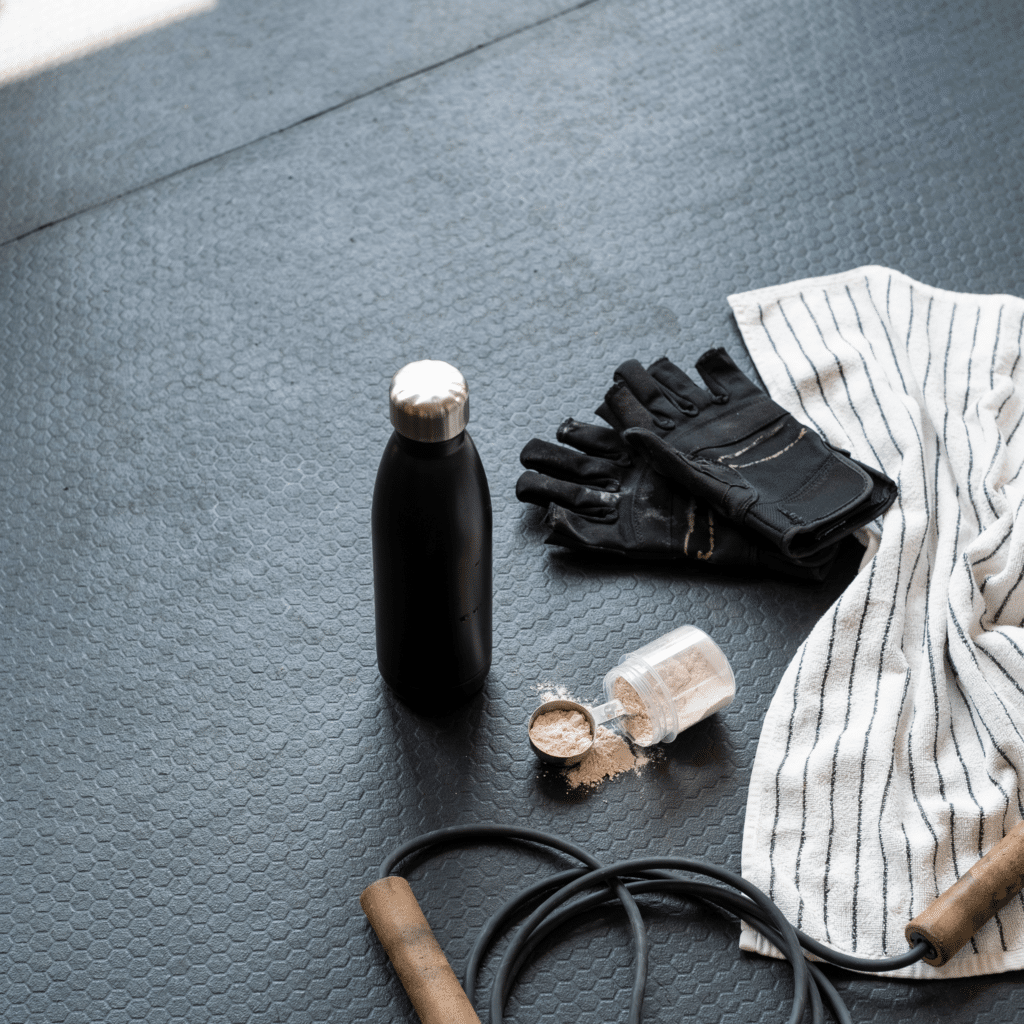
One of the most common mistakes I see is treating hydration as a simple water replacement problem. What you lose through sweat is a solution that is primarily water, but also sodium, potassium, magnesium, and chloride. These electrolytes are not incidental. They regulate nerve function, muscle contraction, and fluid balance at the cellular level.
If you train hard and replace fluids only with plain water, you can dilute your blood sodium levels. In moderate cases, this produces headaches and fatigue. In more serious cases, it leads to hyponatremia, which can be dangerous.
For most recreational exercisers, this is not a common risk, but it does explain why you might feel flat or crampy even when you have been drinking plenty.
For sessions lasting longer than an hour, or any session involving significant sweating, some form of electrolyte replacement matters.
This does not require expensive products. A small amount of sodium in your water, food around your training, or a well-formulated sports drink used appropriately will address the gap.
How to Read Your Own Hydration
Urine color is genuinely useful feedback. Pale straw yellow indicates good hydration. Darker amber suggests you need more fluid. Clear and colorless can mean you are overdrinking or that your kidneys are flushing excess, which is generally harmless but not a target to aim for.
Note that B vitamins turn urine bright yellow regardless of hydration status, so if you take a multivitamin, that reading is skewed.
Body weight is the most precise measurement available to most people. Weigh yourself before and after a training session. Each pound of difference represents roughly 16 ounces of fluid lost. The goal is to replace most of that — not necessarily all of it immediately, but over the following few hours.
Timing Matters
Trying to catch up on hydration right before or during a workout is inefficient. Fluid absorbed during exercise is limited and slow. What you drink in the hour or two before a session matters far more than anything you sip while working.
A practical approach:
In the morning, drink 12 to 16 ounces of water before anything else. Overnight, you lose fluid through breathing and perspiration even without moving. Starting the day already behind is an unnecessary disadvantage.
In the two hours before training, aim for 16 to 20 ounces, adjusted for your size and the intensity of the session ahead. During training, sip regularly rather than waiting until you are thirsty. After training, prioritize replacing what you lost before you eat a large meal.
Food Counts
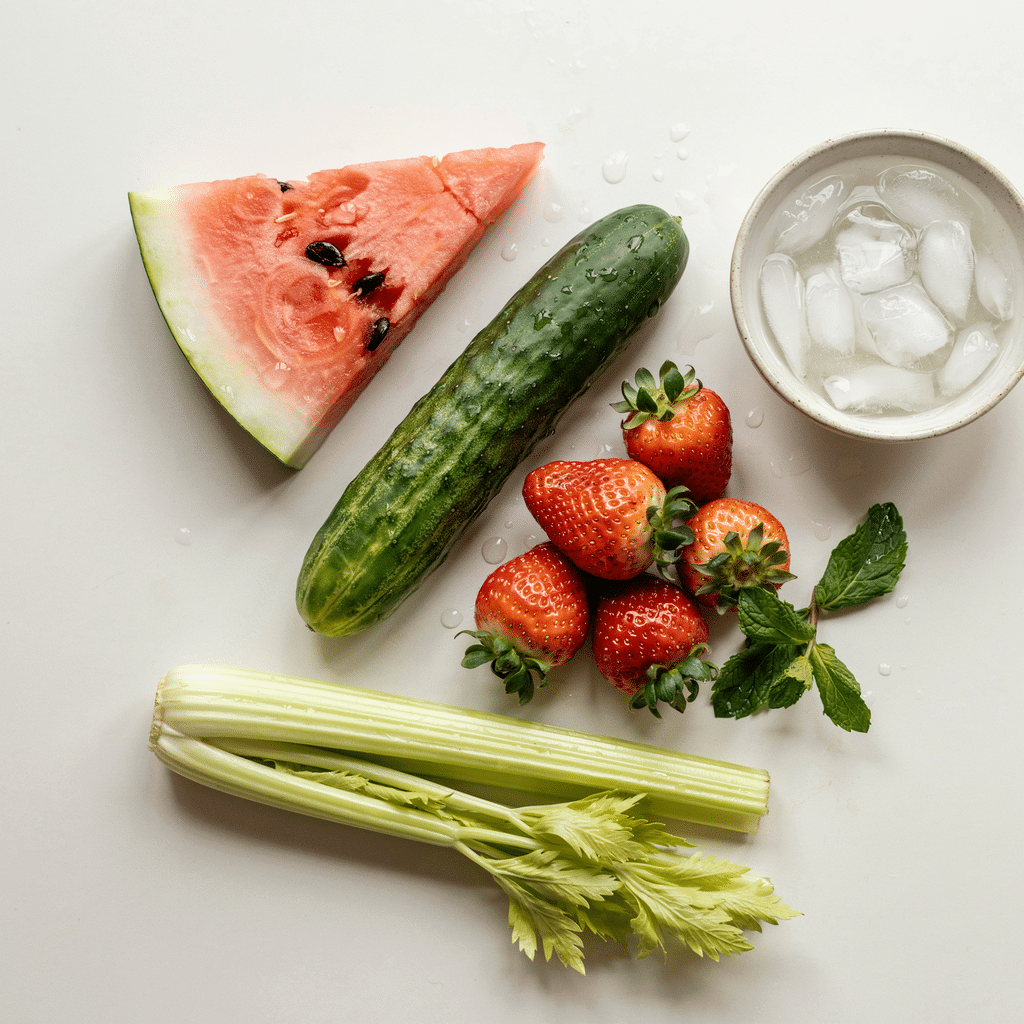
A meaningful portion of daily fluid intake, which is roughly 20 percent for most people, comes from food. Fruits and vegetables with high water content contribute substantially. Cucumbers, watermelon, celery, oranges, and strawberries are all above 90 percent water by weight.
This is worth remembering when considering overall intake, particularly on days when drinking enough water feels like a discipline exercise in itself.
Caffeine and Alcohol
Caffeine is a mild diuretic at high doses, but the research is consistent that moderate coffee and tea consumption does not cause net fluid loss. The fluid in a cup of coffee counts toward your intake. The idea that coffee dehydrates you is overstated.
That said, very high caffeine intake, like multiple energy drinks or strong coffee throughout the day, can tip the balance.
Alcohol is a more legitimate concern. It suppresses the hormone that signals your kidneys to retain fluid, which is why drinking alcohol produces increased urination and why hangovers are often partly due to dehydration.
If you are training the morning after a night of drinking, your baseline fluid status is already lower than you might assume.
A Practical Starting Point
There is no single number that fits every person on every day. What works is building a habit of consistent, distributed fluid intake rather than sporadic large amounts.
Keep water accessible. Eat enough vegetables and fruit. Add electrolytes when sessions are long or sweat is heavy. Use urine color as ongoing feedback. Adjust based on heat, intensity, and how you feel.
Hydration is not complicated, but it does require attention.
I am a certified personal trainer offering one-on-one and group training sessions. To inquire about availability, reach out through the contact page.
