
If you have spent any time around fitness circles in the last decade, you have probably heard someone mention MCT oil, stirred into coffee, blended into a smoothie, or listed as a key ingredient in some protein bar. The conversation around it tends to run hot or cold, with enthusiasts treating it as a near-essential supplement and skeptics dismissing it as expensive cooking oil. The truth, as usual, sits somewhere more practical.
What Is MCT Oil?
MCT stands for medium-chain triglycerides, which refers to the length of the fatty acid chains the oil contains. Most dietary fats including olive oil, butter, and the fat in meat are long-chain triglycerides, meaning they require more digestive steps before the body can use them. Medium-chain fats behave differently. Because of their shorter structure, they are absorbed more directly through the gut wall and transported to the liver, where they are converted quickly into energy rather than stored.
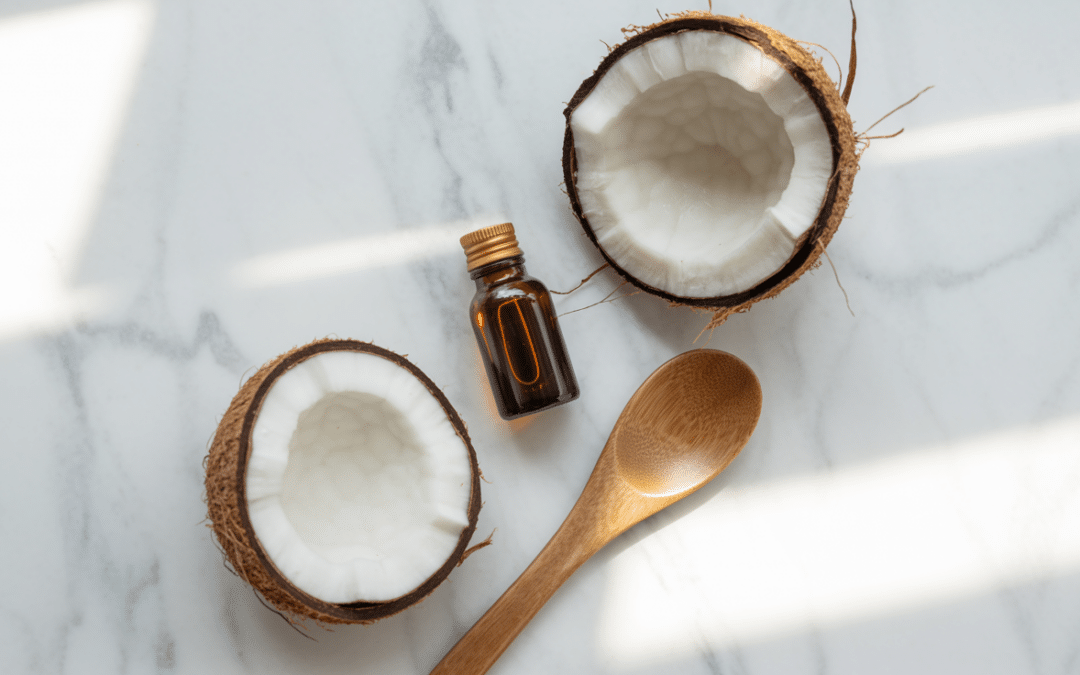
The most common source is coconut oil, which contains MCTs naturally, though the concentration in coconut oil is far lower than in purified MCT oil. Commercial MCT oil is typically derived from coconut or palm kernel oil and then refined to isolate the medium-chain fatty acids, primarily caprylic acid (C8) and capric acid (C10).
What the Research Actually Shows
The benefit most often cited is fast, clean energy. Because MCTs are metabolized in the liver rather than requiring the full digestive process, they can raise ketone levels in the blood even in people who are not following a ketogenic diet. Ketones are an alternative fuel source the brain and muscles can use, and some people report improved mental clarity and sustained energy without the spike-and-crash pattern of simple carbohydrates.
Several studies have also looked at MCT oil’s role in body composition. The findings are modest but real: MCTs appear to increase calorie burning slightly compared to long-chain fats, and some research suggests they may support feelings of fullness, which could reduce overall intake across a day. These effects are not dramatic, and they are unlikely to produce meaningful fat loss on their own. In the context of a well-structured diet, though, they may contribute to better consistency and fewer energy dips.
For athletes and active people specifically, MCT oil has shown some promise as a performance aid in endurance contexts, though the evidence is less conclusive than supplement marketing tends to suggest.
The Practical Side

MCT oil is flavorless and mixes well into liquids, which makes it easy to add to a morning coffee, a pre-workout shake, or a salad dressing. The standard starting amount is 1 teaspoon, gradually working up to 1 tablespoon. This matters: jumping straight to a larger dose is the most common mistake people make, and the result is digestive distress, which is uncomfortable enough to put many people off entirely. The gut needs time to adjust.
It is not a cooking oil. MCT oil has a low smoke point and breaks down under heat, so it belongs in cold or room-temperature applications only.
One other consideration worth noting: MCT oil is calorie-dense, coming in around 100 to 130 calories per tablespoon depending on the product. Adding it to your routine without accounting for those calories will work against any fat-loss goal you may have. It is a supplement, not a free addition.
Who It May Actually Help
MCT oil tends to be most useful for people who train early in the morning and struggle to eat beforehand, those following a lower-carbohydrate approach who want to support steady energy, and anyone dealing with midday cognitive fatigue that seems related to their diet. It is also worth considering for clients who need portable, fuss-free fuel options.
It is not a meaningful tool for everyone. People who eat regular, balanced meals and do not experience energy instability are unlikely to notice much difference. The supplement industry has a long history of overselling products that work well in specific circumstances to everyone, regardless of whether those circumstances apply and MCT oil is not exempt from that pattern.
A Reasonable Takeaway
MCT oil is a legitimate supplement with a plausible mechanism and a reasonable body of supporting research. It is not a shortcut, and it is not going to replace good nutrition or consistent training. For the right person with the right goals, adding a small amount to the daily routine can be worth the effort. For everyone else, the priority is still the basics: whole food, adequate protein, proper hydration, and sleep.
If you are curious whether MCT oil is worth trying for your specific situation, that is exactly the kind of question worth bringing to a session. Context matters more than any individual ingredient.
I offer one-on-one and group training sessions. To book or learn more, get in touch directly.
