Holiday Eating: Balance Without Restriction
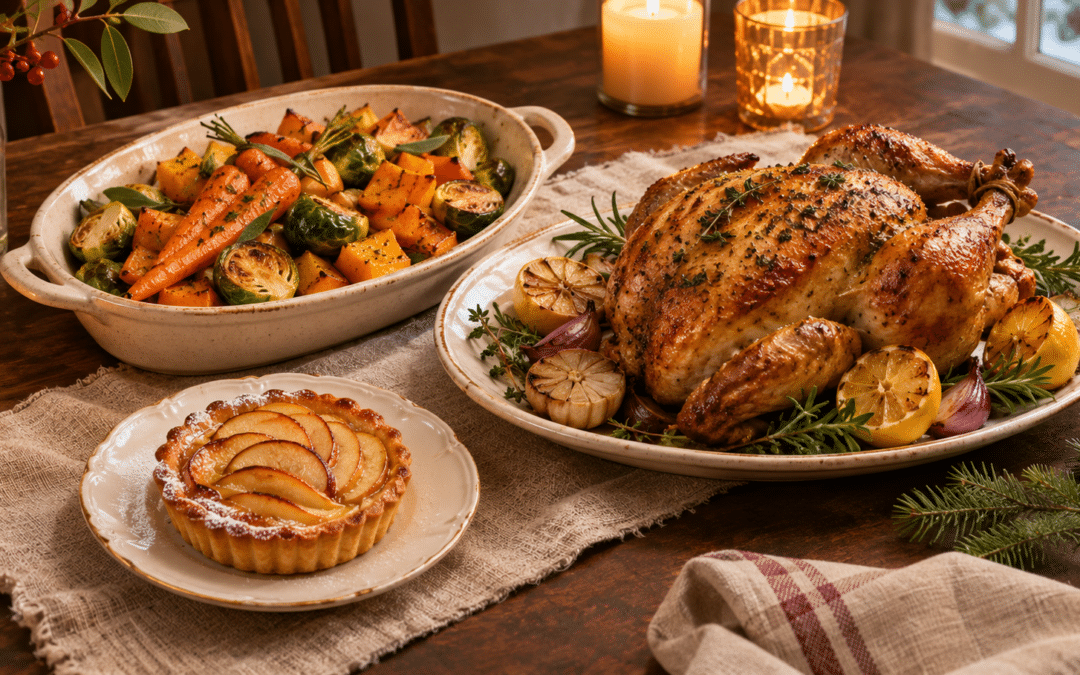
Between Thanksgiving and New Year’s Day, food shows up everywhere. There are office parties, family dinners, cookie trays at the front desk, and a neighbor who drops off fudge.
For many, this is the time of year when months of good habits start to feel fragile.
The holidays only last a few weeks, and they are meant to be enjoyed. You can eat the food that matters to you, keep the progress you have made, and walk into January without a sense of dread.
It takes a little planning and a fair amount of kindness toward yourself.
Why Restriction Backfires
Telling yourself that a food is off limits usually makes you think about it more. When the pie finally comes out, the rule falls apart, and one slice turns into three.
Afterward comes guilt, followed by a promise to be stricter tomorrow. The cycle repeats until the season ends.
Strict rules also take something away from the holidays. Many of these dishes carry memories of a grandmother’s kitchen or a tradition your family has kept for decades.
Food is part of how people celebrate together, and there is nothing wrong with that.
A calmer approach works better over the long run. When no food is forbidden, it loses much of its pull. You can choose what you truly want, enjoy it, and move on with your day.
Keep Your Regular Routine
The most useful habit during the holidays is also the plainest one. Eat your normal meals on the days of parties and big dinners.
Many people skip breakfast and lunch to “save room” for the evening. By the time they arrive, they are so hungry that they eat quickly and well past the point of comfort.
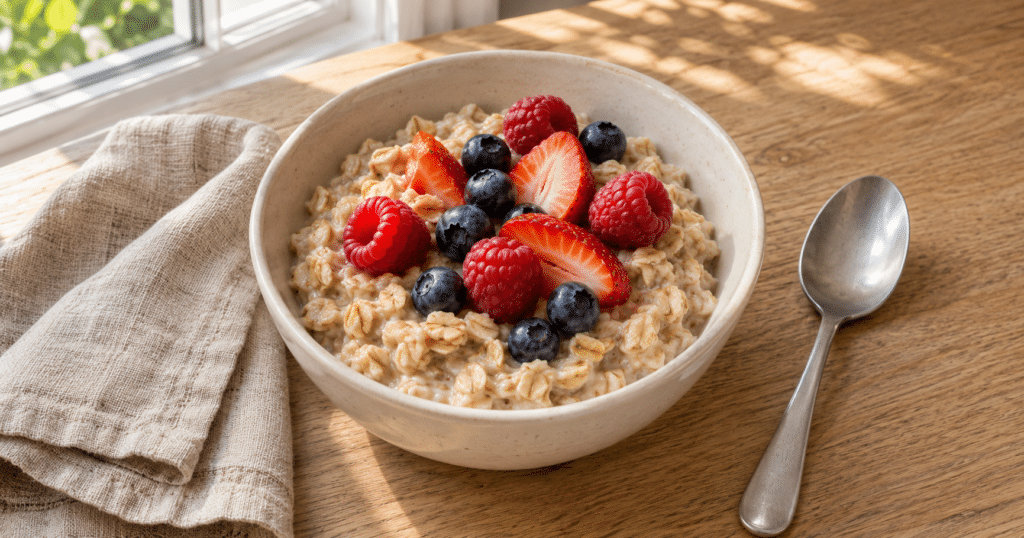
A regular breakfast with some protein and a sensible lunch will let you sit down to dinner with a clear head and a steady appetite.
The same idea applies to the weeks between events. Most of December is still ordinary days. If your usual weekday meals stay the same, a few special dinners will not undo your progress.
Build a Balanced Plate
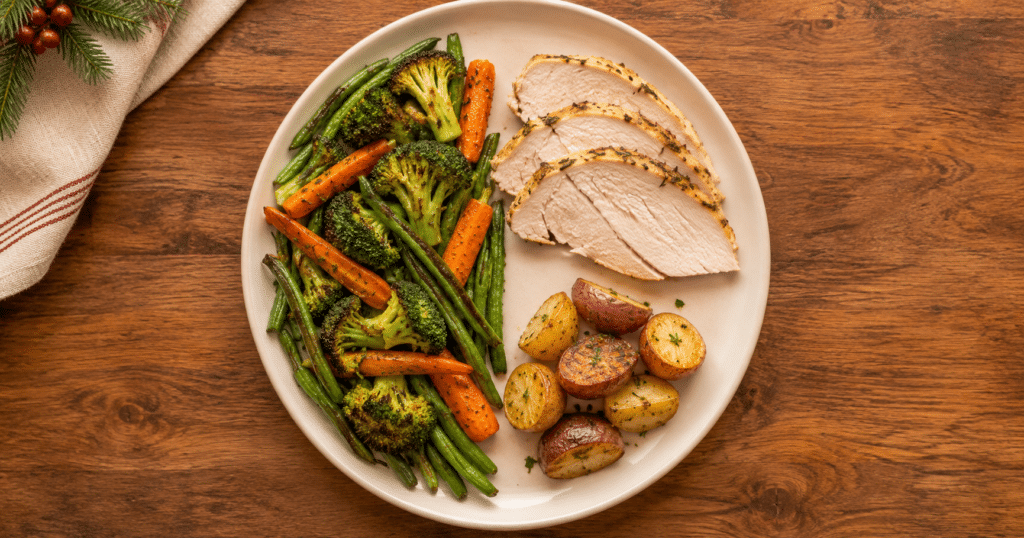
A holiday buffet can feel overwhelming, so it helps to have a simple pattern in mind before you pick up a plate.
- Fill about half the plate with vegetables or salad. Roasted carrots, green beans, and Brussels sprouts all count.
- Add a fair portion of protein, such as turkey, ham, chicken, or fish. Protein keeps you full longer and supports the muscle you have worked hard to build.
- Use the remaining space for the sides you love most. If the stuffing is the highlight of your year, give it the room and skip the dinner rolls you could have any day.
Take a moment to look over the whole spread before you serve yourself. People tend to fill up on whatever sits at the front of the table. Choosing with intention means you end up with food you actually wanted.
Enjoy Your Favorites on Purpose
There is a real difference between eating a dessert you love and eating whatever happens to be nearby.
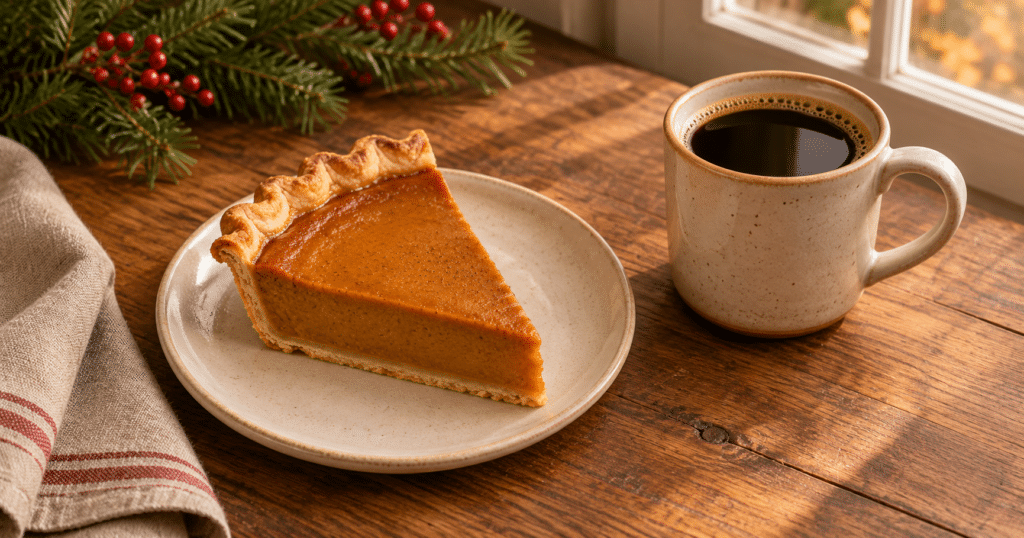
A slice of your aunt’s pecan pie, eaten slowly at the table with family, is worth it. A handful of store-bought cookies from the break room, eaten while answering email, usually is not.
Before you reach for something, ask yourself a simple question. Is this a food I look forward to every year? If the answer is yes, serve yourself a reasonable portion, sit down, and enjoy every bite. If the answer is no, it is easy to pass it by.
Eating slowly helps too. Put your fork down between bites and join the conversation. It takes some time for your body to register that it is full, and a slower pace gives that signal a chance to arrive.
Drinks, Movement, and Sleep
Drinks. Eggnog, cider, and cocktails add up quickly, and alcohol tends to loosen the good intentions you brought to the party. If you drink, alternate each one with a glass of water. Sparkling water with a slice of lime is a pleasant thing to hold when you would like a break.
Movement. You do not need to “earn” a meal with exercise, and you should not try to burn it off the next morning. Exercise is for your strength and health. Keep your regular workouts on the calendar as best you can, even if some sessions are shorter than usual. A walk after a big meal is an old family tradition for good reason. It aids digestion and gets everyone out of the house for some fresh air.
Sleep. Late nights and travel can cut into rest. Poor sleep raises hunger and makes sweets harder to resist the next day. Protecting your bedtime on ordinary nights will make the busy ones easier to handle.

After a Big Day
There will be at least one meal this season where you eat more than you planned. That is normal, and it is fine.
The next morning, skip the punishment. There is no need for a fast, an extra-long workout, or a harsh word to yourself in the mirror.
Drink some water, eat your usual breakfast, and get back to your routine. One heavy dinner has very little effect on your health or your progress. What you do on most days is what counts.
Looking Ahead to January
Balance during the holidays means enjoying the season while keeping the habits that serve you well. If you arrive in January feeling rested and steady, you will have far less to undo and far more energy for the year ahead.
If you would like help staying on track through the season, I offer both one-on-one and small group sessions. We can build a plan that fits your schedule, your goals, and your holiday calendar. Reach out to book a session, and let’s head into the new year strong.
